Insects--We Help Them and They Help Us
User: margyg@sonic.net
Vendor: None
Action: 3579 - Reduce or Replace Your Lawn
"In the intricate dance of nature, insects are the choreographers of biodiversity."
―E.O. Wilson
When I moved here from California, I found myself the owner of a large (certainly by California standards) lawn. As a biologist, I knew the health hazards of the chemicals often applied to lawns—poisons to humans, especially children, and to wildlife and waterways. As a result, I can imagine what my neighbors thought of my yard. And then I heard the entomologist Doug Tallamy speak to the magnitude of threats to life because of our decimation of insect populations. As another famous ecologist and entomologist, E.O. Wilson, said:
“If we were to wipe out insects alone on this planet, the rest of life and humanity with it would mostly disappear from the land. Within a few months.”
The plush green lawns once considered a status symbol are now recognized as the culprit for devastating vital insect populations. Perhaps you’ve heard about the “insect apocalypse” and the loss of nearly three billion North American breeding birds. These major casualties are related as 96% of terrestrial bird species rely on insects, especially caterpillars, to feed their young. For example, research from Tallamy’s lab has shown that chickadees need 6,000-9,000 caterpillars to raise a single brood. So, as pollinating moths decline, so do the birds that rely on them.
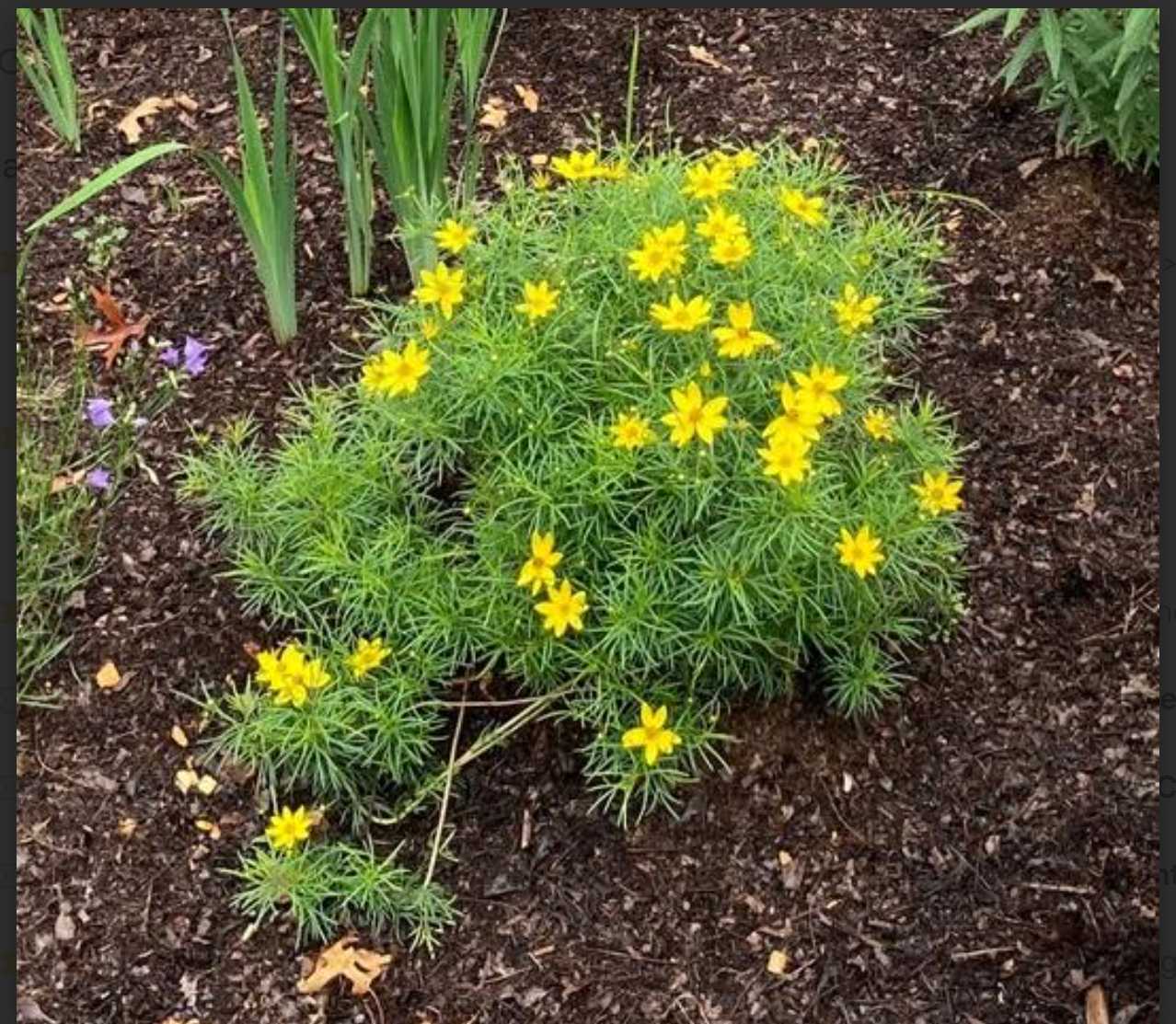
After learning all this, I decided to convert as much of my front yard as I could manage. I painstakingly removed two-thirds of the lawn and replaced it with ecograss, which needs no fertilizer, less water, and less mowing (https://www.prairiemoon.com/eco-grass), and added a native plant pollinator garden.
Tallamy especially recommends planting “keystone plants.” He adapted this term from the ecologist Robert Paine who originated “keystone species” to signify species that are critical to the survival of the other species in the system.
By selecting keystone plants for your garden, you can support higher numbers of beneficial insects, including pollinators. Some excellent choices for the number of caterpillar and bee species they support are blueberry bushes, goldenrod, asters, and woodland sunflowers. Here is a reference for more options of North American Keystone Plants: https://homegrownnationalpark.org/keystone-plants/?_ecoregion=mixed-wood-plains)
- All Testimonials